
Books · The Memoir
Embrace Life.
The memoir of Dydine Umunyana Anderson, founder of Kind Kulture and survivor of the 1994 Genocide Against the Tutsi. Published in two languages. Illustrated throughout by Colombian artist Guiliane Cerón.
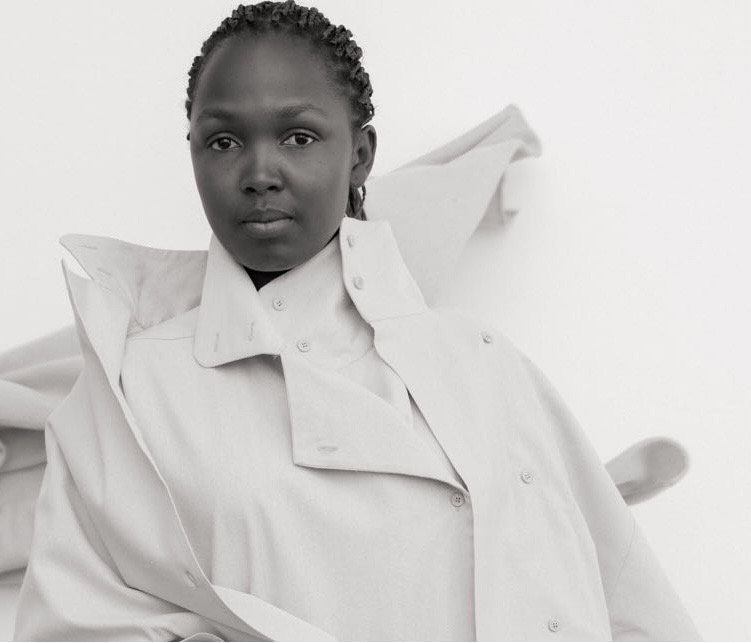

English Edition
Embrace Life: How I Survived the Tutsi Genocide in Rwanda.
The memoir Dydine carries into classrooms and dialogue rooms.
First published in 2016 as Embracing Survival, with a launch event at the Museum of Tolerance in Los Angeles. Re-released as Embrace Life for the second edition.

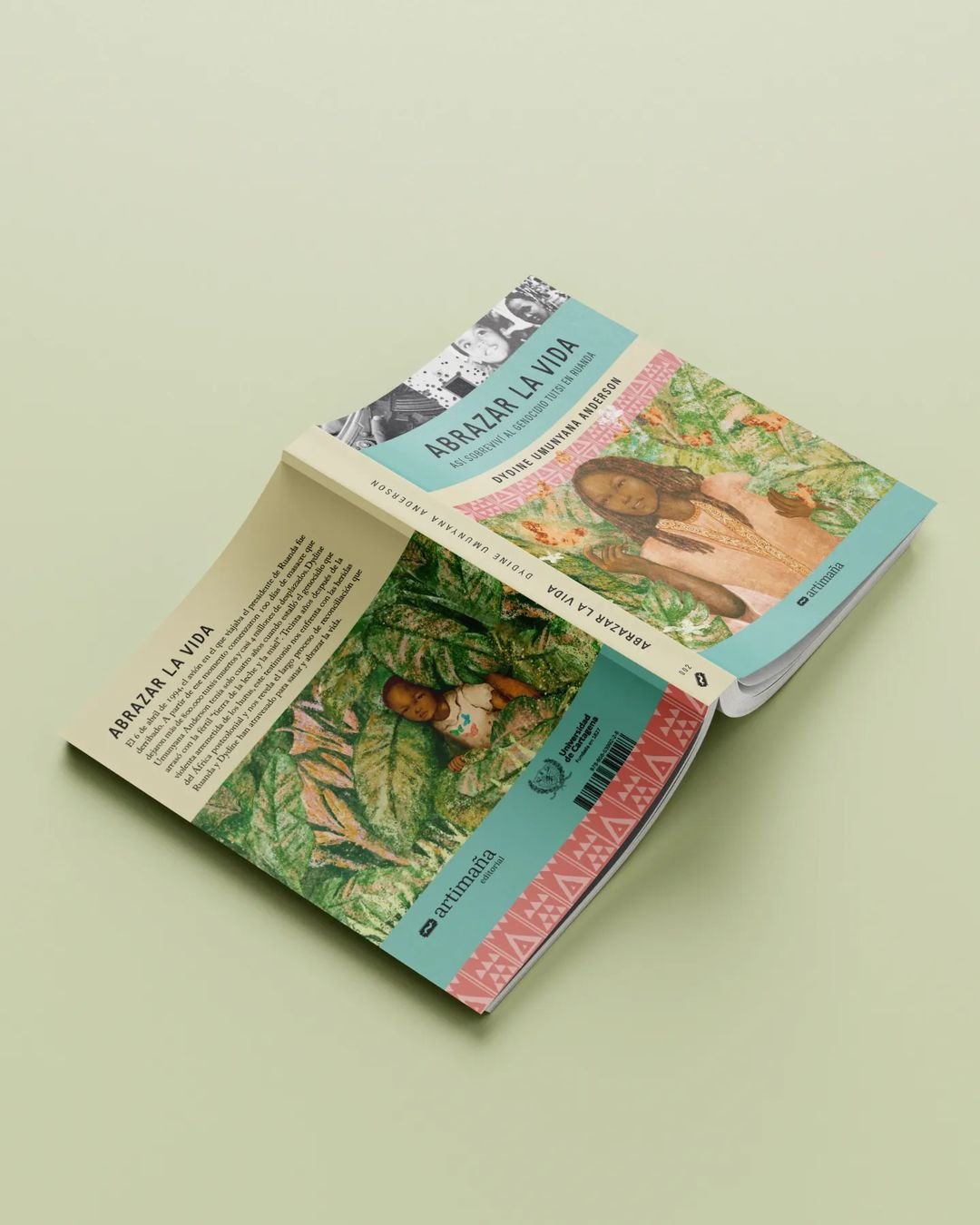
Spanish Edition
Abrazar La Vida: Así Sobreviví al Genocidio Tutsi en Ruanda.
The Spanish-language edition, published by Artimaña Editorial in partnership with the Universidad de Cartagena.
It brings the story to readers and classrooms across Latin America.
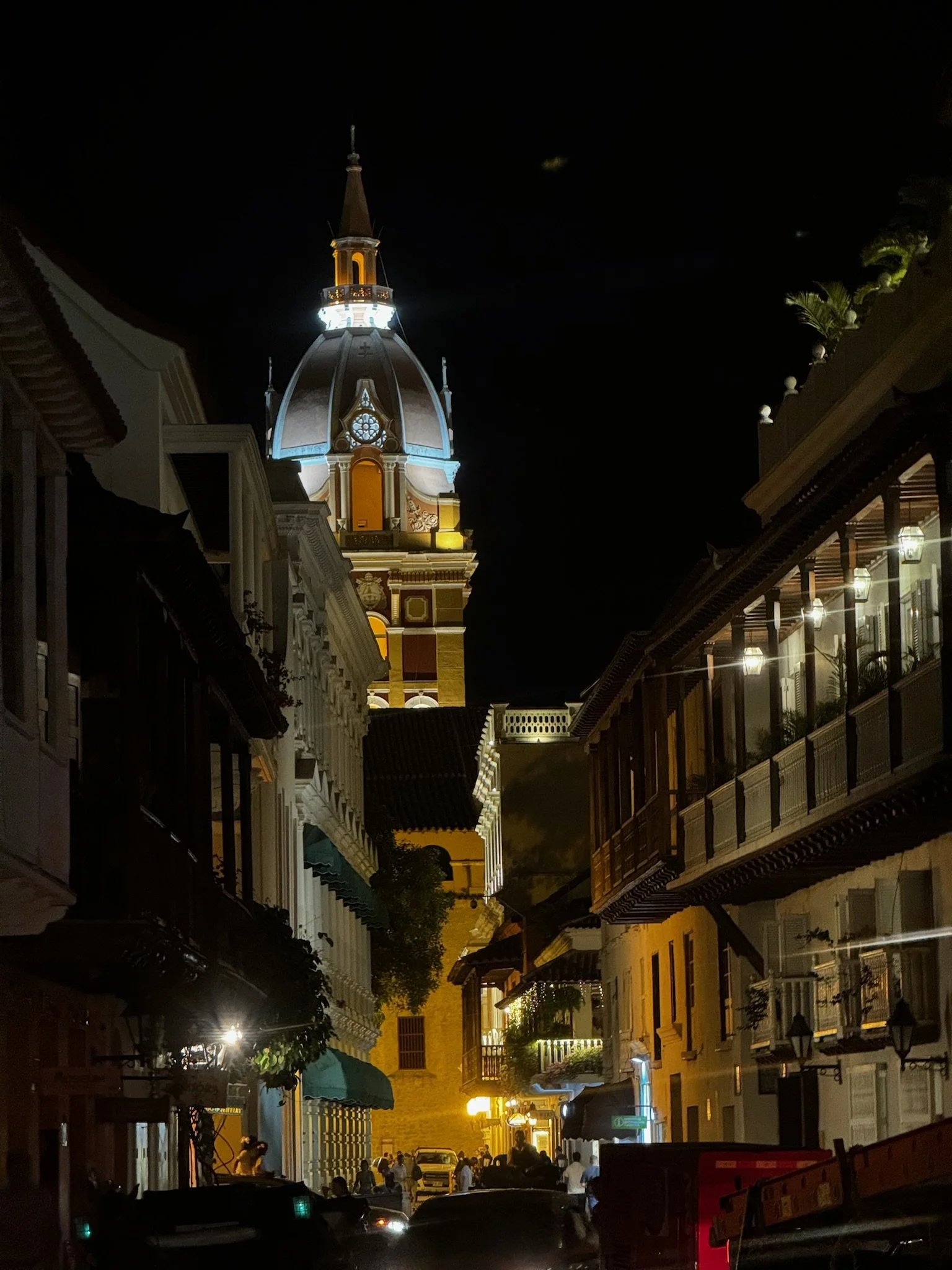
Cartagena, Colombia
Where the translation began: at the Universidad de Cartagena, in partnership with Artimaña Editorial.
Contributing Author
Her words in two other books.
Collections on survival, peace and healing.
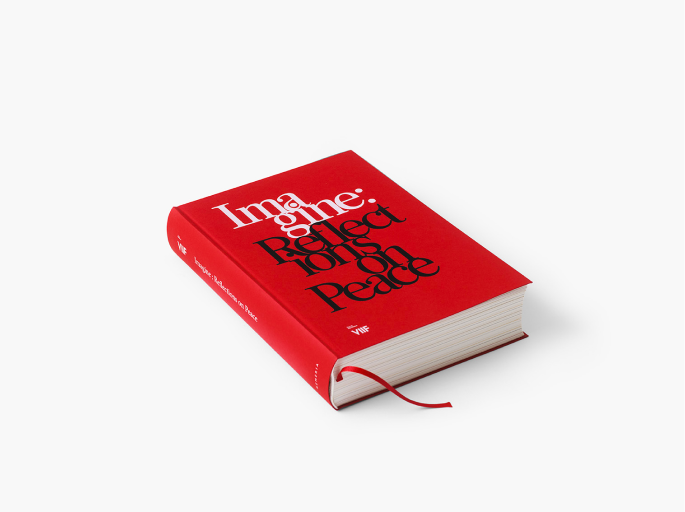
The VII Foundation
Imagine: Reflections on Peace
Contributor · the essay “Butterflies Sat Next to My Heart”
On how peace takes hold after conflict, with essays from Samantha Power, Philip Gourevitch and others.
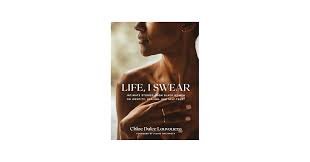
Edited by Chloe Dulce Louvouezo
Life, I Swear
Contributor · one of the voices the book gathers
An illustrated collection of intimate stories from Black women on identity, healing, and self-trust.
Forthcoming · 2027
Still Here: A Survivor’s Case Against Hate.
Thirty years after the genocide, Dydine is still asked the same question: how do you not hate?
This book is her answer, drawn from three decades of living and a decade in rooms with people who have survived harm and people who have caused it.
“Hate is not who we are. It is what we were taught. And anything that was taught can be unlearned.”
Still Here is in progress. Readers of Dear Humanity will be the first to know when it launches.
Illustrations Throughout
The visual language of the memoir.

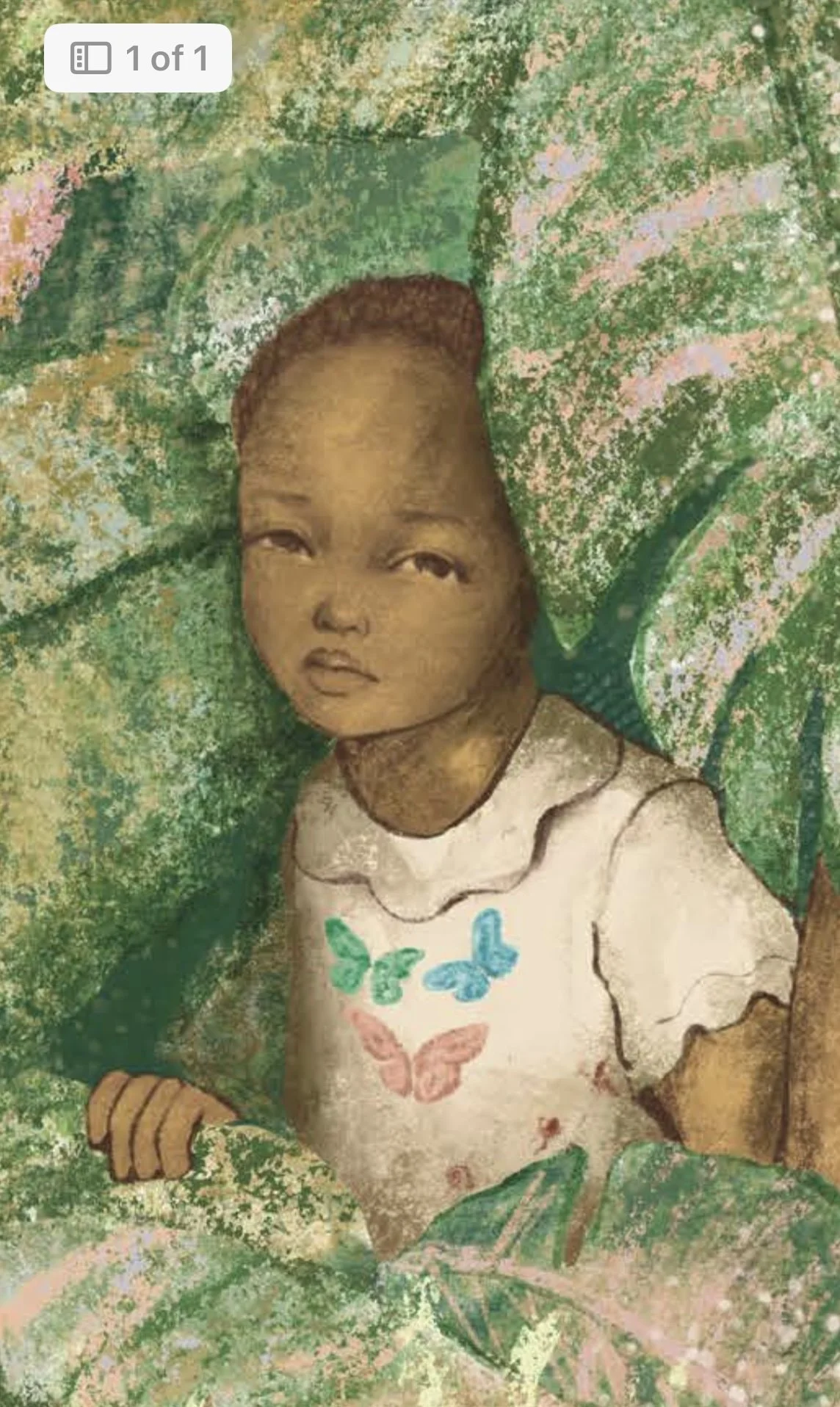
All illustrations by Guiliane Cerón
From the Author
“One’s own life experiences are not theirs to keep, but ours to teach.”
Dydine Umunyana Anderson
Book recommendations
Other survivors, in their own words.
Books by survivors of the 1994 Genocide Against the Tutsi that we return to and recommend. Each one opens on Bookshop.org, which supports independent bookstores.
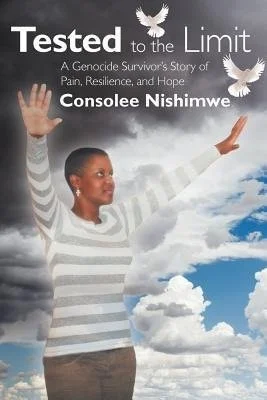
Tested to the Limit
Consolee Nishimwe
She was fourteen in 1994. Her account of surviving, and of what it took to keep living after. Consolee serves on the Kind Kulture board.
Find the book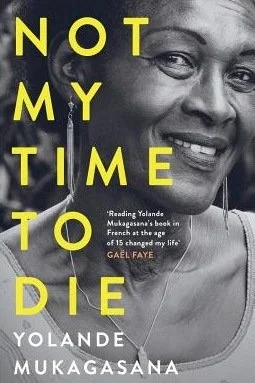
Not My Time to Die
Yolande Mukagasana
A nurse's testimony from Kigali, first published in French in 1997 and in English in 2019.
Find the book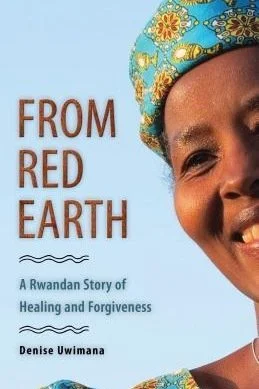
From Red Earth
Denise Uwimana
Survival, faith and the slow work of forgiveness, from a survivor who has spent the years since helping others heal.
Find the book
Cockroaches
Scholastique Mukasonga
Growing up Tutsi in Rwanda, and the family she lost in 1994. Translated from the French by Jordan Stump.
Find the book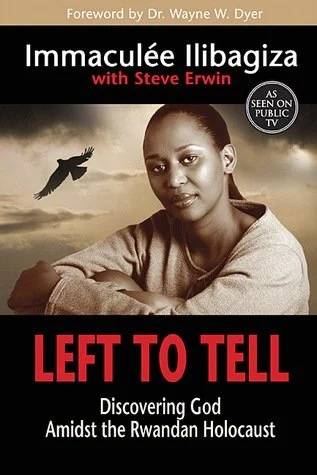
Left to Tell
Immaculée Ilibagiza
She survived 91 days hidden in a small bathroom with seven other women. Her account of faith and forgiveness is read around the world.
Find the bookJournalists and historians
How it happened, and how the world responded.
A UN commander, two journalists and a historian. Read alongside the survivors’ own books, they document how the genocide unfolded and how the world responded.
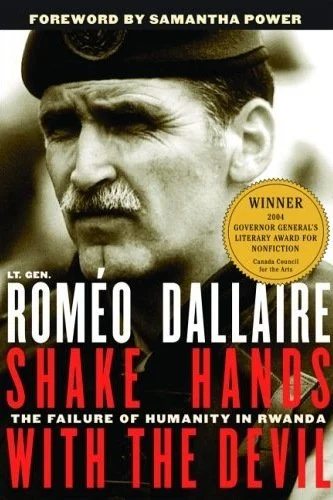
Shake Hands with the Devil
Roméo Dallaire
He commanded the UN peacekeeping force in Rwanda in 1994. His account of the warnings he sent and the help that never came.
Find the book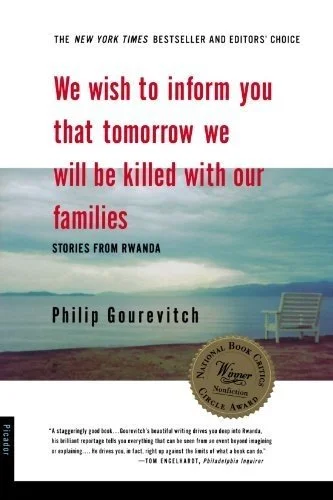
We Wish to Inform You That Tomorrow We Will Be Killed with Our Families
Philip Gourevitch
A reporter’s account of the genocide and its aftermath, drawn from interviews across Rwanda. Winner of the National Book Critics Circle Award.
Find the book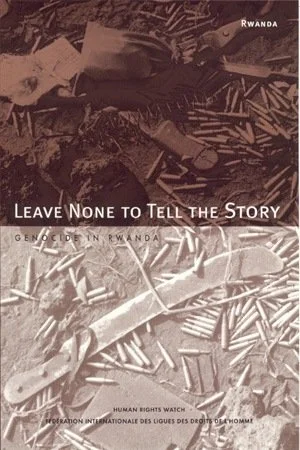
Leave None to Tell the Story
Alison Des Forges
The Human Rights Watch history of the genocide, documented in detail. A standard reference for teachers and researchers.
Find the book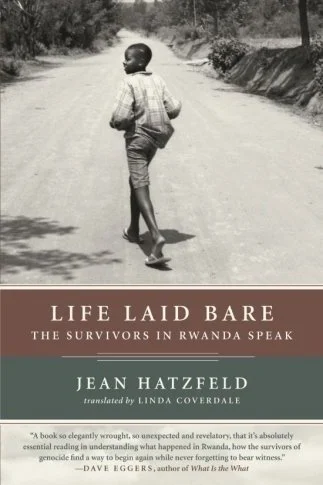
Life Laid Bare
Jean Hatzfeld
Survivors from Nyamata tell, in their own words, what they lived through and how they live now. Translated from the French by Linda Coverdale.
Find the bookShared history
More stories, from around the world.
Survivors of mass atrocities across history, in their own words. Their stories open a window onto the history we share and the people who lived it.
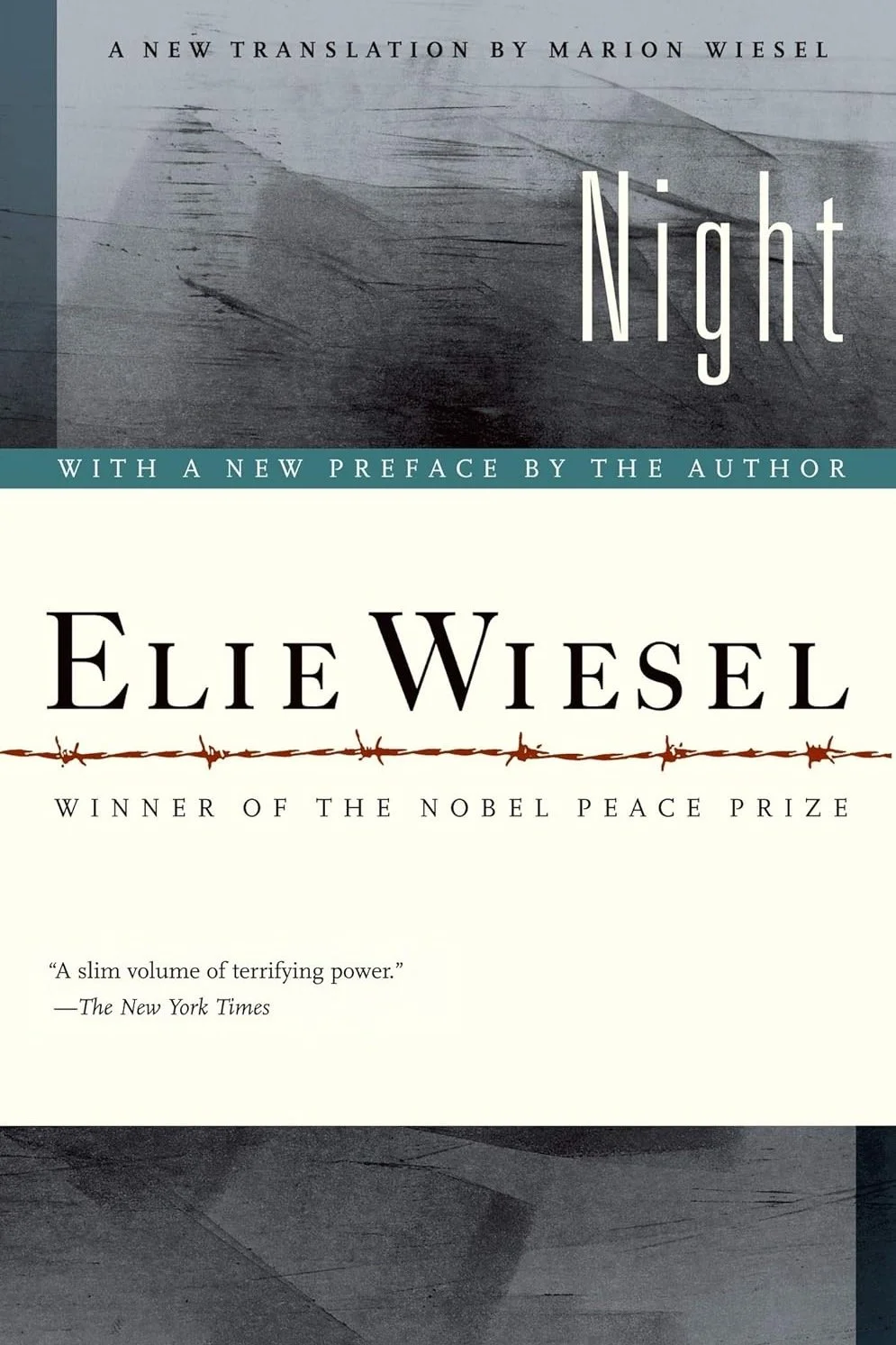
Night
Elie Wiesel
He was fifteen when he was deported to Auschwitz in 1944. His memoir of the Holocaust is read in classrooms around the world. Translated by Marion Wiesel.
Find the book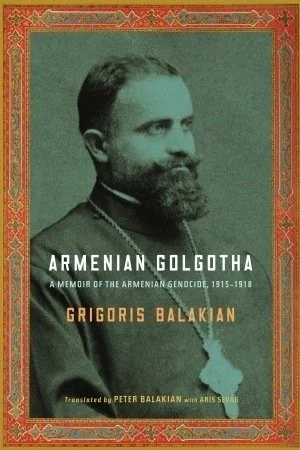
Armenian Golgotha
Grigoris Balakian
An Armenian priest’s eyewitness account of the 1915 deportations and his own survival. Translated by Peter Balakian with Aris Sevag.
Find the book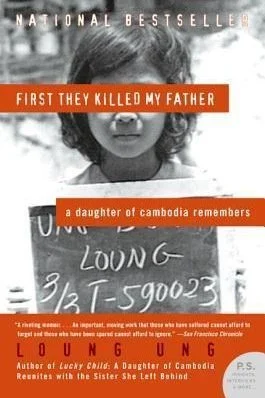
First They Killed My Father
Loung Ung
She was five when the Khmer Rouge took Phnom Penh in 1975. A daughter’s memoir of the Cambodian genocide.
Find the book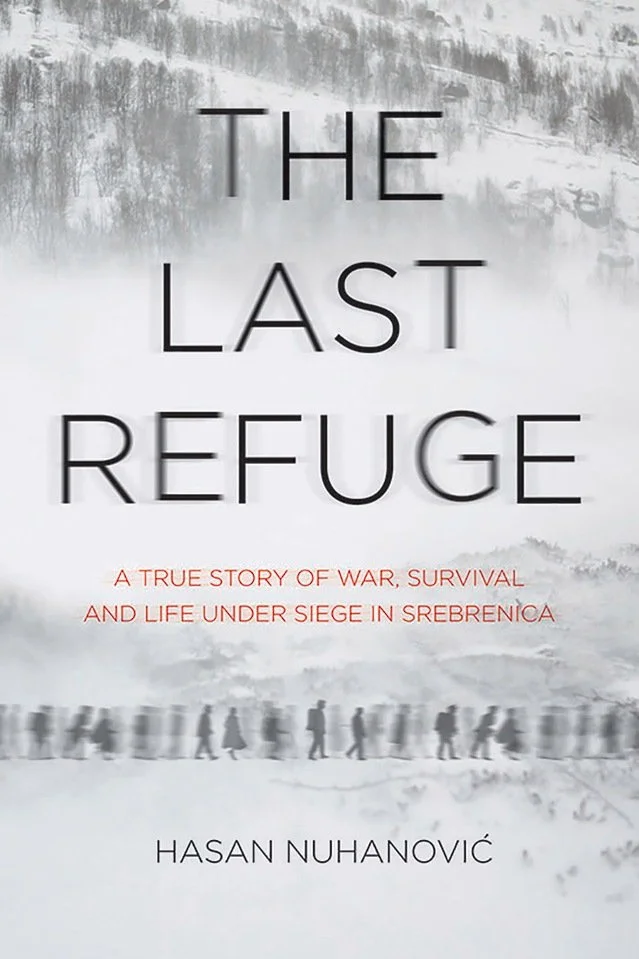
The Last Refuge
Hasan Nuhanović
He was working as a UN interpreter in Srebrenica in July 1995. His parents and brother were sent out of the UN base and killed. His account of the siege and what followed.
Find the bookKnow a book that belongs on these shelves? Write to info@kindkulture.org.