Books · The Memoir
Embrace Life.
The memoir of Dydine Umunyana Anderson, founder of Kind Kulture and survivor of the 1994 Genocide Against the Tutsi. Published in two languages. Illustrated throughout by Colombian artist Guiliane Cerón.


English Edition
Embrace Life: How I Survived the Tutsi Genocide in Rwanda.
The firsthand memoir Dydine carries into classrooms, lecture halls, and dialogue rooms, and the book from which the institutional voice of Kind Kulture flows.
First published in 2016 as Embracing Survival, with a launch event at the Museum of Tolerance in Los Angeles. Re-released as Embrace Life for the second edition.

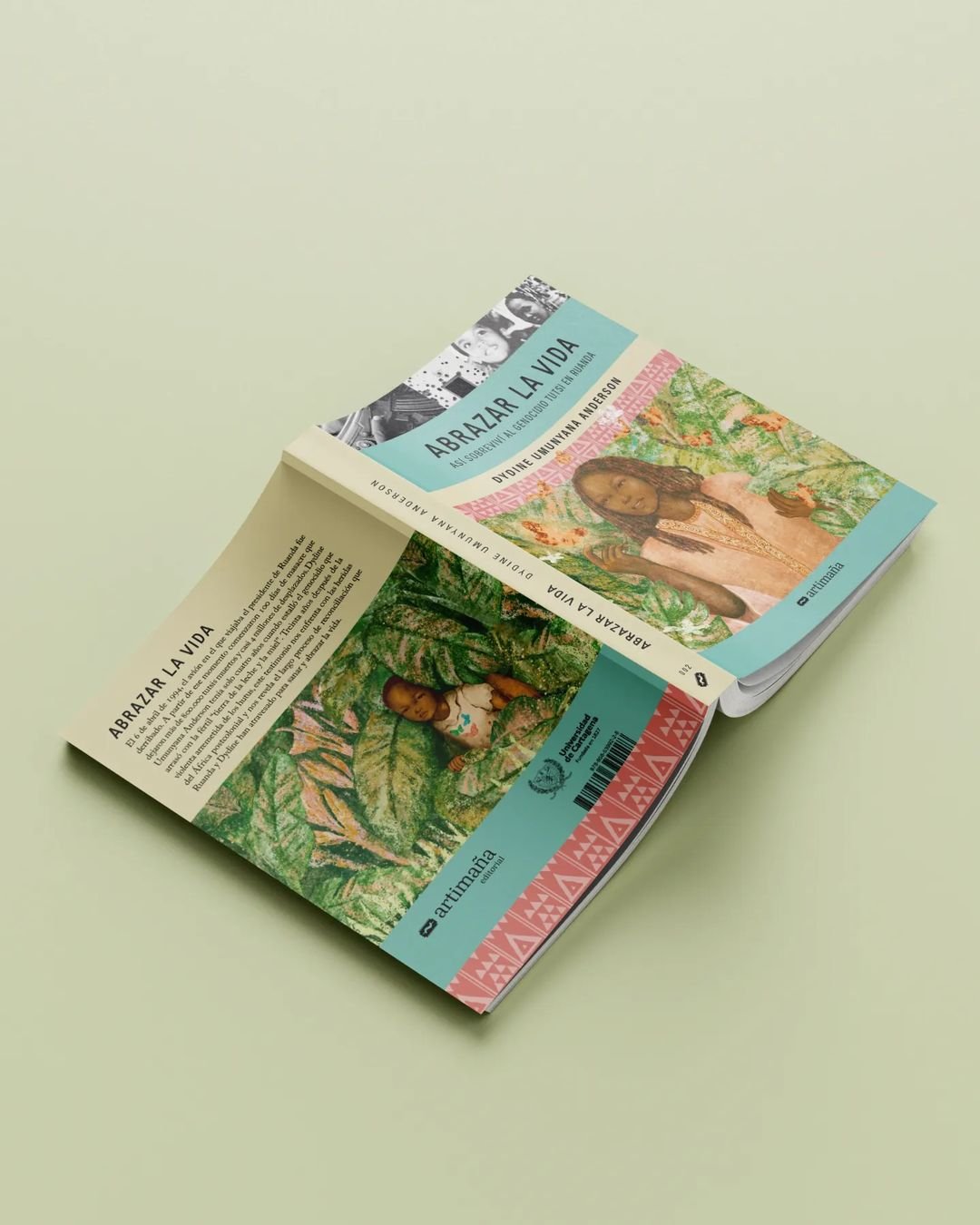
Spanish Edition
Abrazar La Vida: Así Sobreviví al Genocidio Tutsi en Ruanda.
The Spanish-language edition, published by Artimaña Editorial in partnership with the Universidad de Cartagena.
The translation extends the work into Latin American classrooms and reading communities, the first formal expression of a long cultural exchange between Rwandan survivor literature and Colombian publishing.

Cartagena, Colombia
Where the translation began: at the Universidad de Cartagena, in partnership with Artimaña Editorial.
Contributing Author
Her words in two other books.
Beyond her own memoir, Dydine has been invited into collections that gather many voices around survival, peace, and healing.
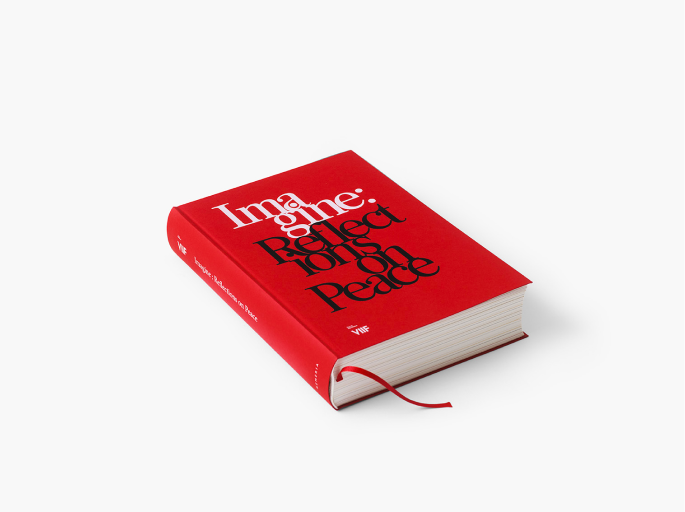
The VII Foundation
Imagine: Reflections on Peace
Contributor · the essay “Butterflies Sat Next to My Heart”
A book on how peace takes hold in societies after conflict, Rwanda among six, carrying essays from voices including Samantha Power and Philip Gourevitch.

Edited by Chloe Dulce Louvouezo
Life, I Swear
Contributor · one of the voices the book gathers
An illustrated collection of intimate stories from Black women on identity, healing, and self-trust.
Forthcoming · 2027
Still Here: A Survivor’s Case Against Hate.
Thirty years after the genocide, Dydine is still asked the same question: how do you not hate?
This book is her answer. Not a quick one. The real one, built from three decades of living, a decade of standing in rooms with people who have done harm and people who have survived it, and the slow, specific work of understanding how human beings learn to destroy one another. And why they do not have to.
“Hate is not who we are. It is what we were taught. And anything that was taught can be unlearned.”
Still Here is in progress. Readers of Dear Humanity will be the first to know when it launches.
Illustrations Throughout
The visual language of the memoir.

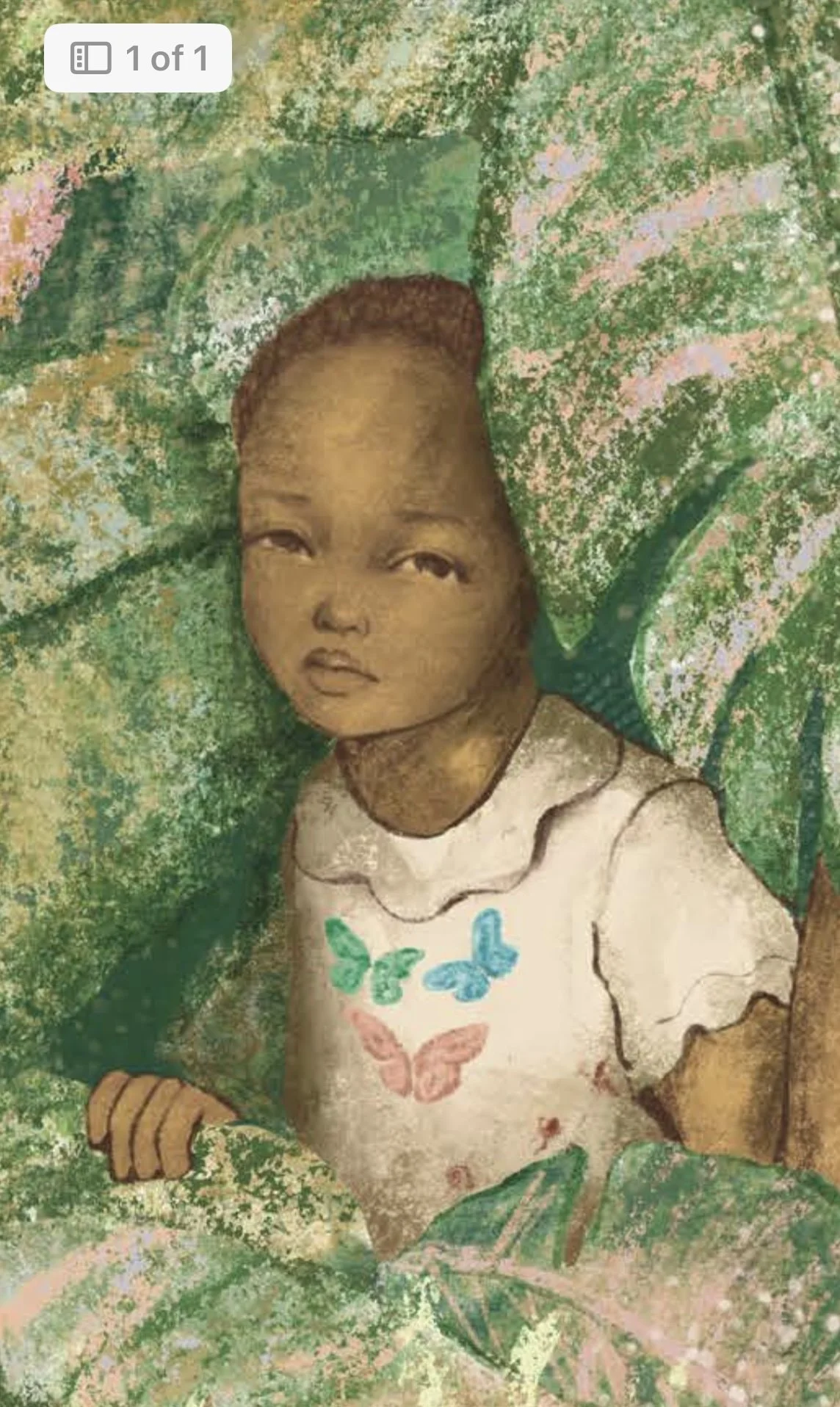
All illustrations by Guiliane Cerón
From the Author
“One’s own life experiences are not theirs to keep, but ours to teach.”
Dydine Umunyana Anderson