About Kind Kulture
The Name
Kind Kulture is the English expression of a Kinyarwanda idea. In Rwanda, the word umuco means “culture” — but not culture in the surface sense of food, music, or custom. It means someone who is kind, loving, disciplined, and a true member of their community. There is no single English word for it.
Umuco W’Urukundo — “a culture of love” — is who we are in Kinyarwanda. Kind Kulture is who we are in English. Our nonprofit is legally registered as Umuco Love; we operate globally as Kind Kulture. Two names. One meaning.
What We Do
Kind Kulture is a nonprofit storytelling and publishing organization dedicated to preserving
lived experience and creating spaces where people connect through shared humanity.
We work across three areas:
Publishing We publish books and stories that preserve cultural memory and carry livedexperiences across generations — from Rwanda to Colombia to communities across the United States.
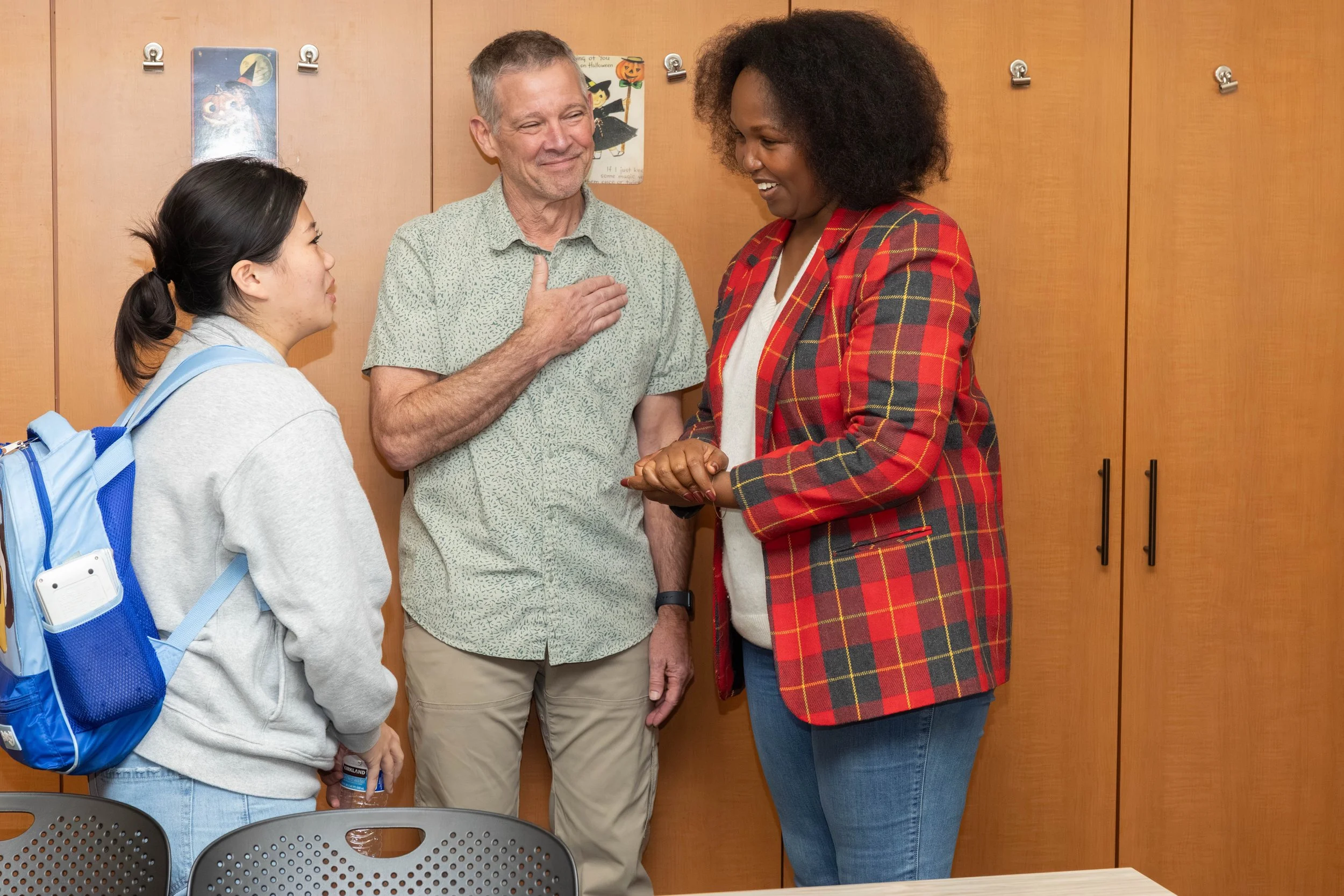
Programs We design storytelling experiences that support healing, identity development, and meaningful dialogue. Our programs have been delivered in classrooms, law enforcement training rooms, community halls, and international literary stages.
Partnerships We collaborate with schools, universities, nonprofits, cultural institutions, and global foundations to bring this work to the communities and systems that need it most.
Why It Matters
In a world where division is often amplified, opportunities for real understanding are rare.
Stories allow people to move beyond assumptions. To see each other more fully. When
someone is given the space to speak — and someone else genuinely listens — something
shifts. Quietly, but permanently.
We have seen it happen in a high school classroom in San Diego. In a law enforcement
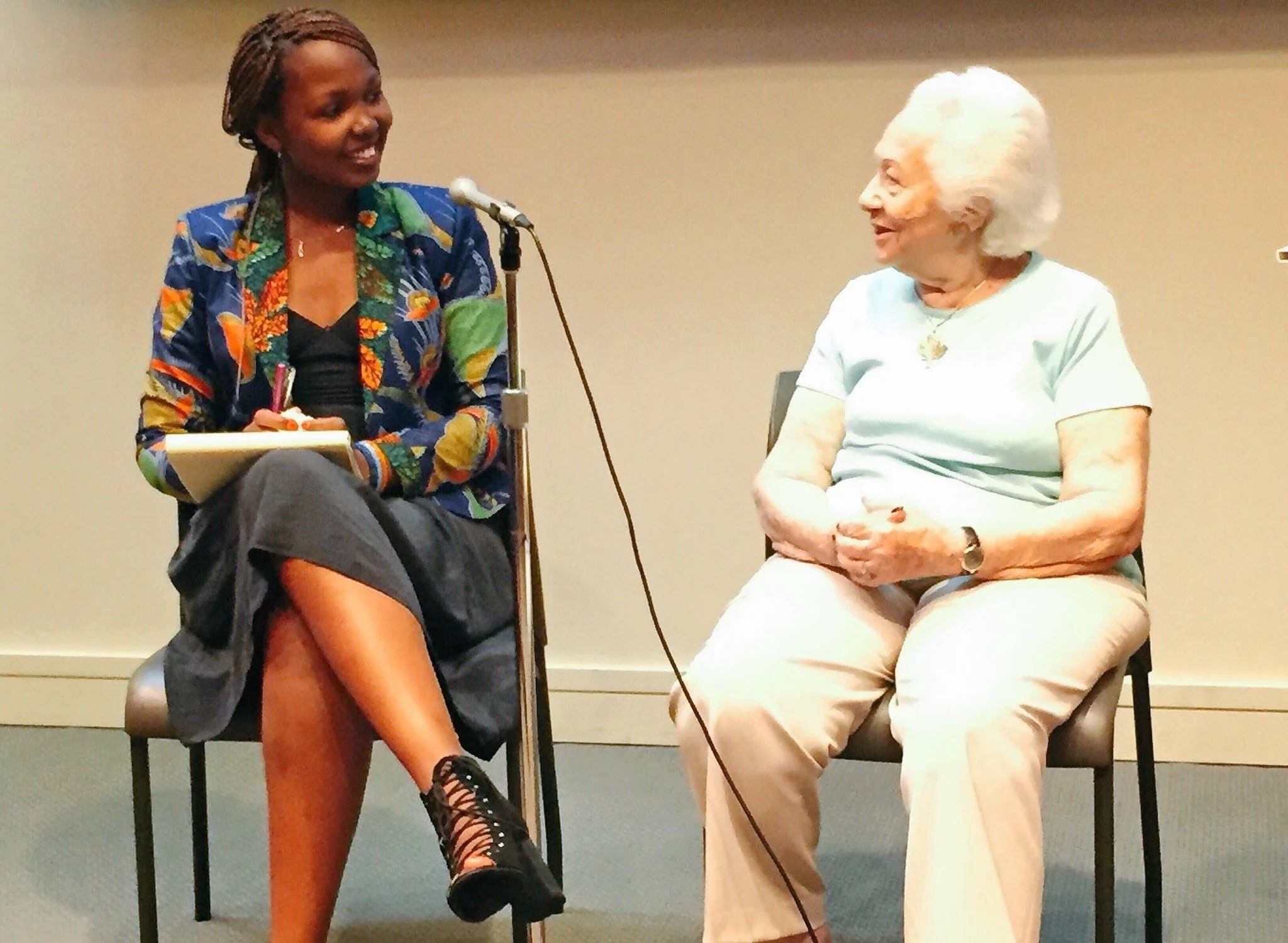
dialogue session in Los Angeles. In a university auditorium in Medellín, Colombia. In a roomof Holocaust survivors and Rwandan survivors who had never met but recognized
something in each other immediately.
This is not theory. This is what we do.
Our Story
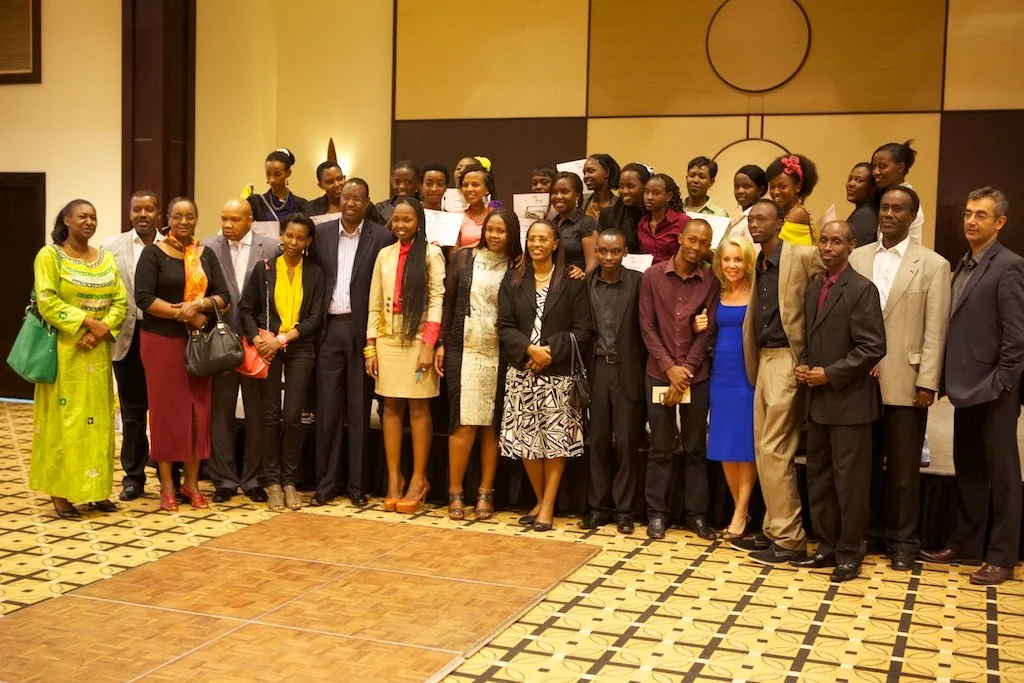
Before Kind Kulture, there was Umbrella Cinema Promoters — founded in Kigali, Rwanda in 2012 by Dydine Umunyana in her early twenties. The program trained 20+ young Rwandan women in cinematography, directing, scriptwriting, and editing, with support from the U.S. Embassy in Rwanda, Rwanda's Ministry of Youth & ICT, GirlHub, and the National Treasure Athletics & Arts Foundation. Participants came from all four provinces of Rwanda. There were no participation fees.
Among those who believed in this work enough to fly from San Diego to Kigali to lead it was Michele Zousmer — humanitarian photographer and advocate for marginalized communities. Her presence in those workshops was not incidental. It was foundational.
The official launch at Kigali Serena Hotel on March 24, 2013 was a public declaration: these stories mattered. Umbrella Cinema Promoters was the seed of everything Kind Kulture became.
Our Founders
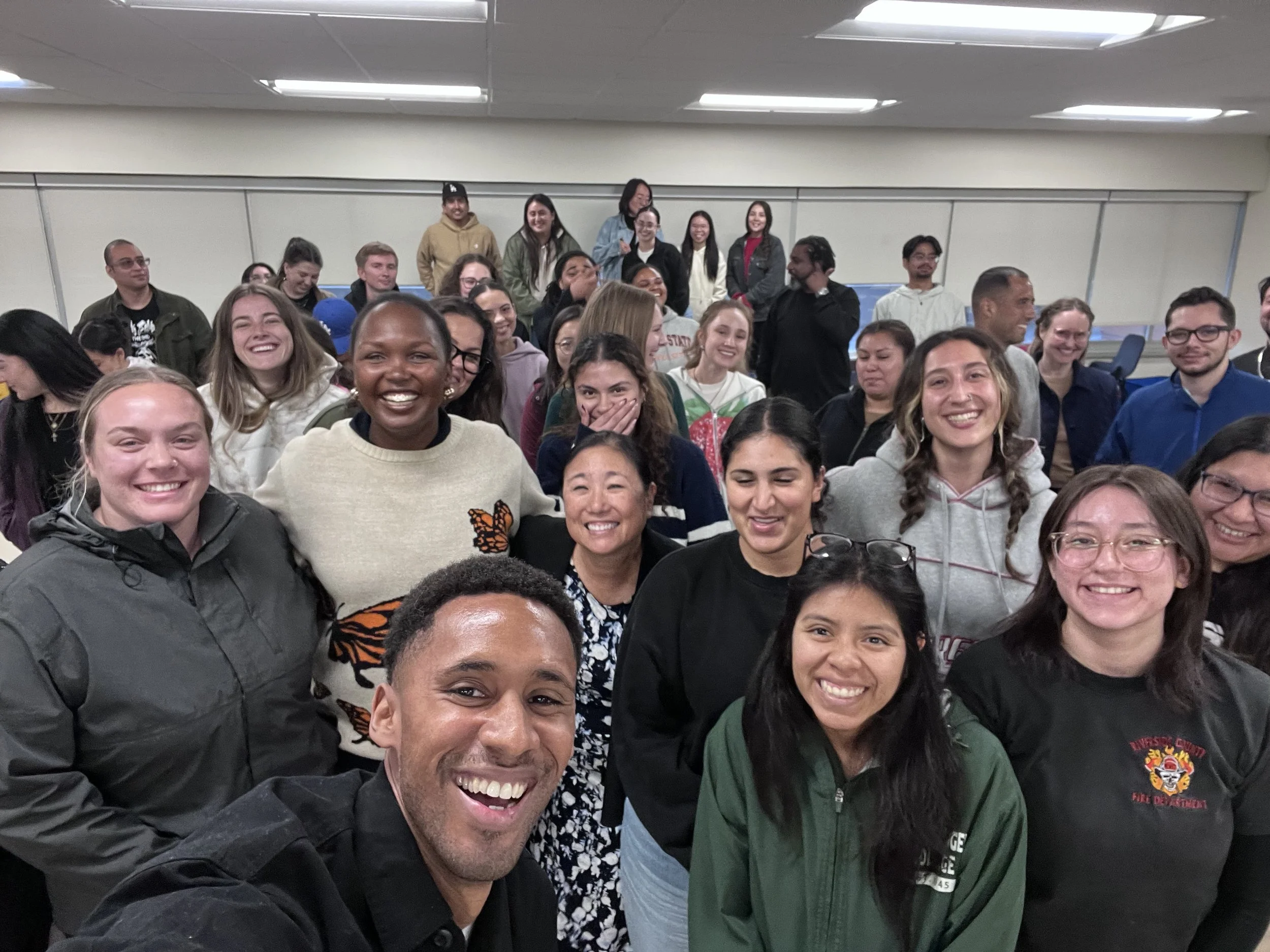
Dydine Umunyana Anderson — Co-Founder, Author, International Speaker Rwandan genocide survivor. Author of Embrace Life and the forthcoming Still Here. Speaker at Harvard, Google, TEDx Cornell, FILBo Colombia, and Kwibuka 2025. Founder of Kind Kulture’s storytelling methodology and its global programming.
Alex Anderson — Co-Founder, Creative Director, Filmmaker Creative director, filmmaker, and storyteller. Leads Kind Kulture’s visual and narrative production — films, campaigns, and digital content that extend the reach of this work. Also founder of Shepard Century Productions, a creative studio for purpose-aligned brands and artists.
Community Impact — Breathe Easy Los Angeles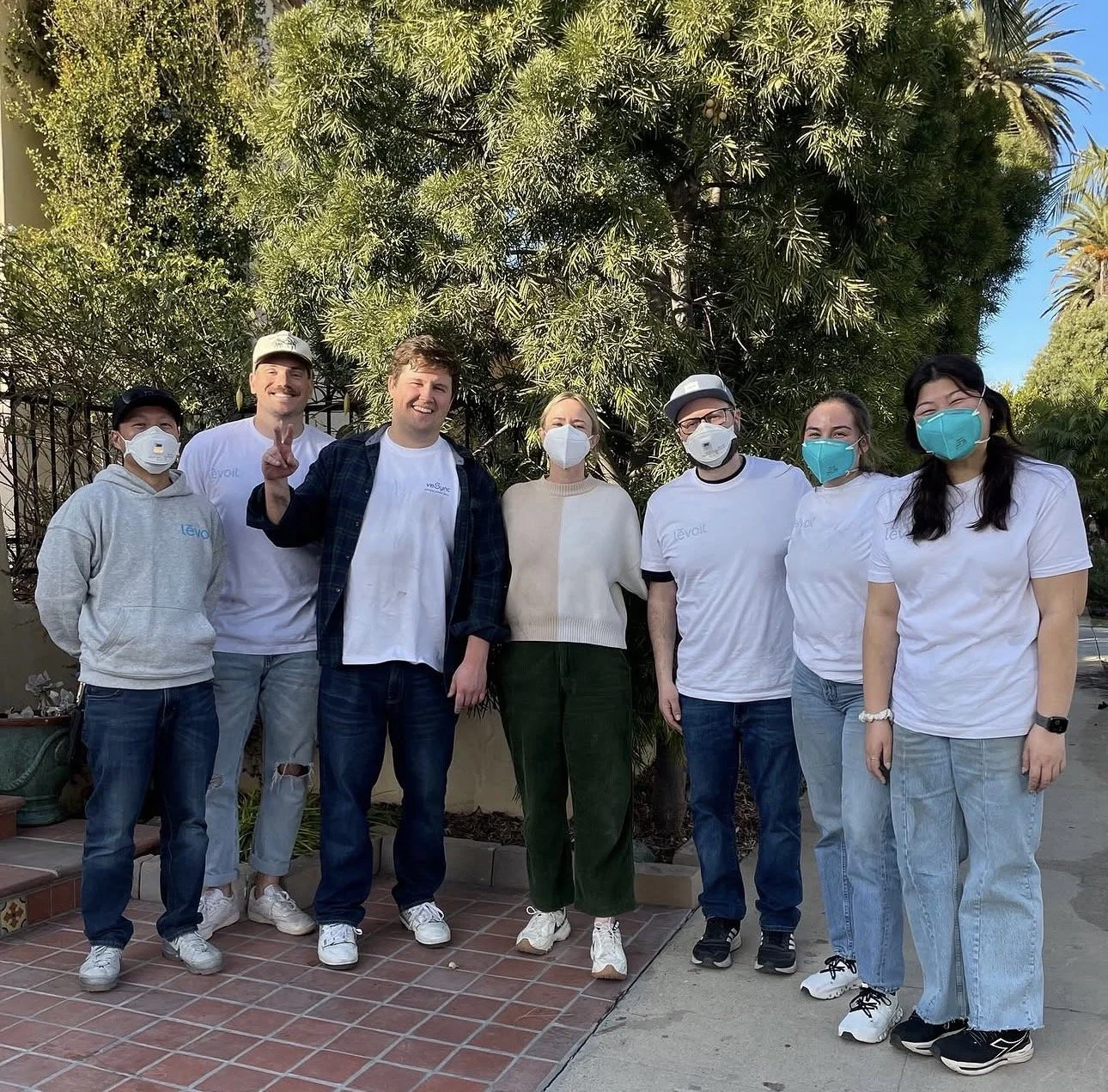
January 2025, Kind Kulture co-led Breathe Easy Los Angeles — a rapid-response wildfire relief initiative co-led by Dydine and designer Kath Nash. The initiative raised over $9,000, distributed 420+ air purifiers and humidifiers donated by Levoit and Coway, and reached families across Los Angeles on February 15, 2025 at a free community distribution event at Carla's Fresh Market in Highland Park. Corporate donation matching was activated through Adobe and Google via Benevity. Fifteen community volunteers made it possible.
OUR THEORY OF CHANGE
We believe dehumanization starts before violence — in the erasure of stories. And webelieve the antidote is the same: story. Not story as performance. Story as practice. As infrastructure. As the thing that has to happen before people can begin to see each other as human again.
Our three-part framework — Story as Mirror, Story as Bridge, Story as Change — has been tested over a decade across education systems, law enforcement spaces, and international cultural programs. It works. And we are committed to taking it further.